
The function of dog slow feeders
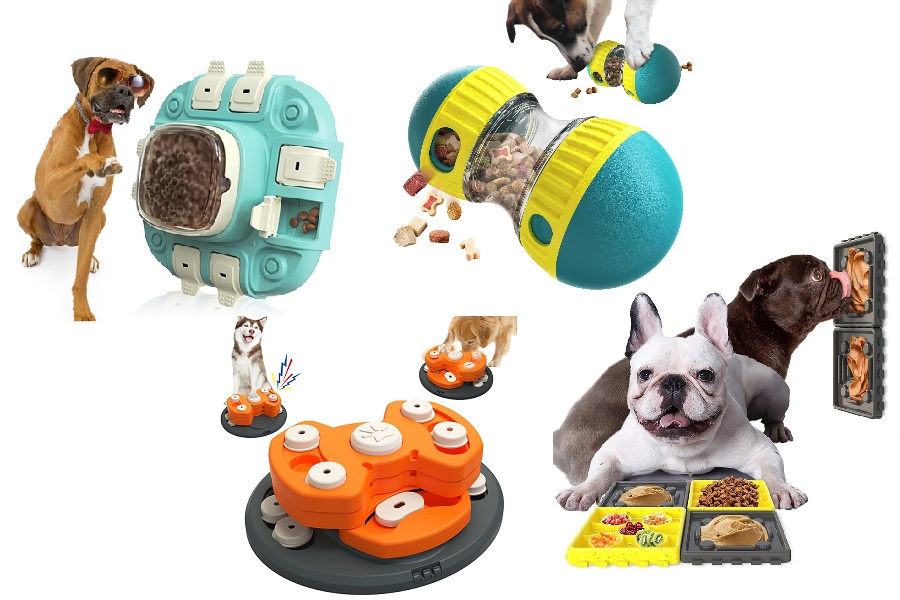
The function of dog slow feeders
The benefits of slow-patient dog feeders are a very practical and important topic. They solve many common feeding problems for dog owners. Simply put, the main function of a slow-patient dog feeder is to force dogs to slow down their eating speed, changing "wolfing down" to "chewing slowly." This simple change brings a series of far-reaching benefits.

I. Health Benefits for Dogs (Core Function)
1. Prevention of Life-Threatening Gastric Torsion (GDV)
This is the most crucial and potentially life-saving function. Large breeds and deep-chested breeds (such as German Shepherds, Great Danes, and Labradors) are prone to gastric torsion if they eat too quickly, swallowing large amounts of air. Combined with vigorous exercise after meals, this can easily lead to gastric torsion. This is an acute condition with a rapid onset and extremely high mortality rate. Slow-patient feeders significantly reduce this risk at its source.
2. Improved Digestion and Relief from Gastrointestinal Discomfort
Slow eating allows food sufficient time to mix with saliva and undergo initial digestion. Meanwhile, food enters the stomach at a steady pace and in small amounts, reducing the sudden burden on the stomach and effectively reducing vomiting, bloating, hiccups, and indigestion caused by eating too quickly.
3. Promotes nutrient absorption
When food is chewed more thoroughly and passes through the digestive tract slowly, the body can better absorb nutrients, making dogs healthier.
4. Prevents obesity
Dogs that eat quickly often consume excessive amounts of food before the satiety signal reaches the brain. Slow feeders extend the eating time, giving the brain enough time to receive the "I am full" signal, thus naturally reducing food intake and aiding in weight management.
II. Behavioral and psychological benefits for dogs
1. Provides mental stimulation and enrichment
Slow feeders (especially maze-style ones) are a fun "brain game" for dogs. They need to use their brains and skills to get the food, which expends their energy, satisfies their exploratory and working instincts, and is excellent mental exercise.
2. Relieves boredom and anxiety
Dogs left alone at home are prone to boredom. A slow feeder filled with food can keep dogs focused for 15-30 minutes, effectively relieving boredom and separation anxiety, thus reducing destructive behaviors such as vandalism and barking.
3. Establishing Better Eating Habits
It gently corrects dogs' impatience and food guarding behaviors, making the eating process calm and orderly.
III. Benefits for Owners
1. Peace of Mind and Ease
No more constantly worrying about your dog vomiting or getting into danger from eating too fast, greatly reducing the owner's mental burden.
2. Protecting the Home Environment
By expending the dog's energy, it reduces destructive behavior caused by boredom, indirectly protecting your furniture and belongings.
3. Strengthening the Human-Pet Bond
You provide your dog with a fun and healthy solution; seeing them eat happily and contentedly will increase your own happiness.
IV. Common Types of Slow Feeders
1. Maze/Patterned
The bowl has various complex raised channels, requiring the dog to skillfully use its tongue to pry the food out.
2. Ball/Rolling Type
Dogs need to roll or pat the toy to get food out through small holes on the side.
3. Layered/Compartmental Type
Food is hidden in multiple layers or movable compartments, requiring the dog to figure out how to open it.
V. Important Considerations
Safe Materials: Choose food-grade, non-toxic, and bite-resistant materials (such as high-quality silicone or plastic).
Easy Cleaning: Ensure that complex slow feeders can be easily disassembled and thoroughly cleaned to prevent bacterial growth.
Suitable for Each Dog: Choose the appropriate type based on the dog's size, nose length, and intelligence. For dogs using slow feeders for the first time, start with a simpler model.
In summary, a slow feeder for dogs is not just a simple "food bowl," but a multifunctional tool integrating health management, behavior correction, and emotional enrichment.