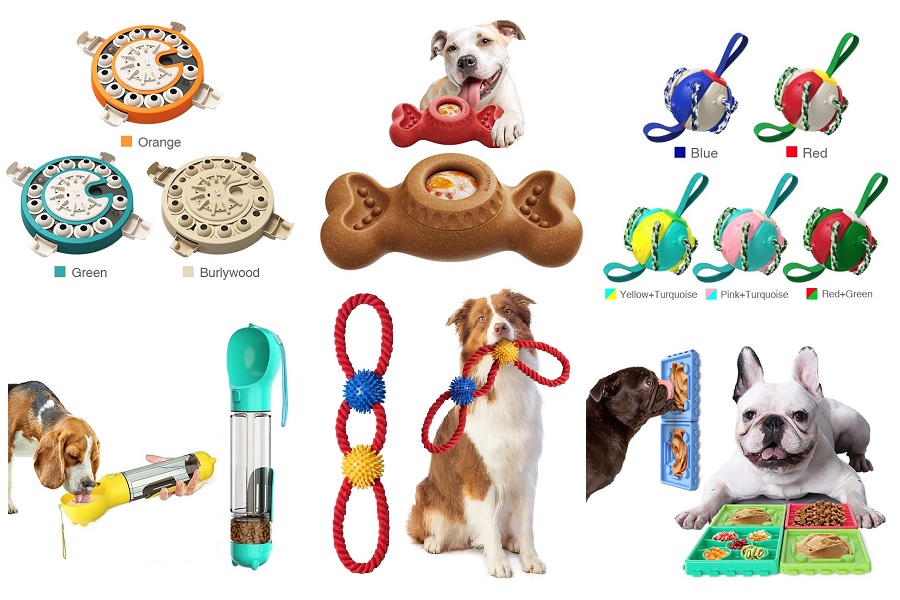
The function and application of pet toys
Pet toys serve far more than simply provide entertainment; they are an indispensable part of modern, scientific pet care. Whether for dogs, cats, or other small pets, toys play a crucial role in their physical and mental health, behavioral management, and the human-pet relationship.
Pet toys serve far more than simply provide entertainment; they are an indispensable part of modern, scientific pet care. Whether for dogs, cats, or other small pets, toys play a crucial role in their physical and mental health, behavioral management, and the human-pet relationship.
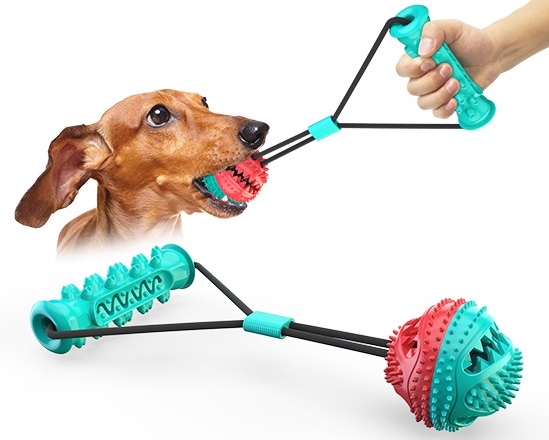
Detailed Analysis of the Core Functions of Pet Toys:
一. Promoting Physical Health
1. Providing Exercise and Play
Chasing toys, running, and jumping help pets burn excess energy, maintain a healthy weight, and enhance cardiopulmonary function, muscle and bone strength. This is especially important for indoor pets, ensuring sufficient daily activity.
2. Meeting Specific Physiological Needs
For dogs: Satisfies their innate chewing needs, helping to clean teeth, massage gums (especially relieving discomfort during teething in puppies), and exercise jaw muscles.
For cats: Satisfies their hunting instincts of catching and pouncing. Cat toys simulate birds or insects, allowing cats to complete the full hunting sequence of "tracking-chasing-catching," a natural need for them.
二. Maintaining Mental Health and Behavioral Management
1. Combating Boredom and Preventing Behavioral Problems
This is one of the core functions of toys. An idle pet is highly susceptible to behavioral problems.
Dogs: May exhibit excessive barking, destructive behavior, or digging.
Cats: May exhibit excessive grooming, lethargy, or destructive behavior.
Toys provide an outlet for attention, effectively diverting attention and preventing these negative behaviors caused by boredom.
2. Relieving Stress and Anxiety
For pets suffering from separation anxiety, certain toys (such as educational toys or toys that retain the owner's scent) can provide comfort and companionship when the owner is away, helping them calm down. Chewing and playing themselves also release endorphins that make pets feel happy, thus reducing stress.
3. Providing Environmental Enrichment
Enriching the living environment of pets (especially cats and caged small animals) with fun, interesting, and stimulating activities, mimicking the challenges they face in the wild. This prevents them from developing stereotyped behaviors (such as repeatedly circling) due to a monotonous environment, making their lives happier and more natural.
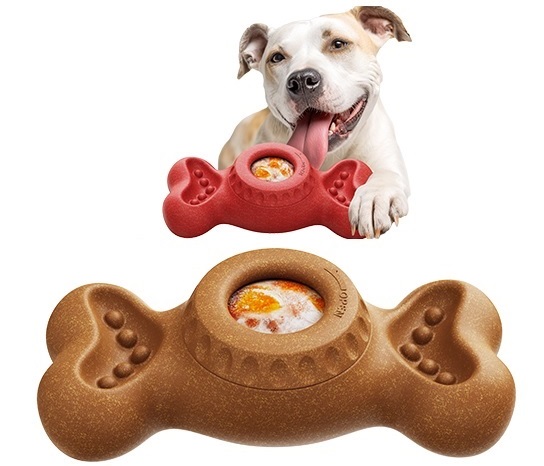
三. Supporting Training and Strengthening the Relationship
1. As a Positive Reinforcement Tool
Many pets are even more motivated by toys (especially interactive toys) than food. Toys can serve as excellent training rewards, reinforcing commands like recall and heeling, making training efficient and enjoyable.
2. Enhancing the Human-Pet Bond
Playing together is one of the best ways to build trust and a deep emotional connection. When you interact with your cat with a toy or play throwing games with your dog, you are establishing positive communication with them, which makes your pet associate you with "happiness."
In summary, pet toys are not a luxury, but a necessity. They are like a "psychological and physical gym" tailored for pets, a powerful tool for ensuring pet welfare, shaping good behavior, and building a harmonious human-pet relationship. Investing in suitable toys is a wise investment in your pet's healthy and happy life.